
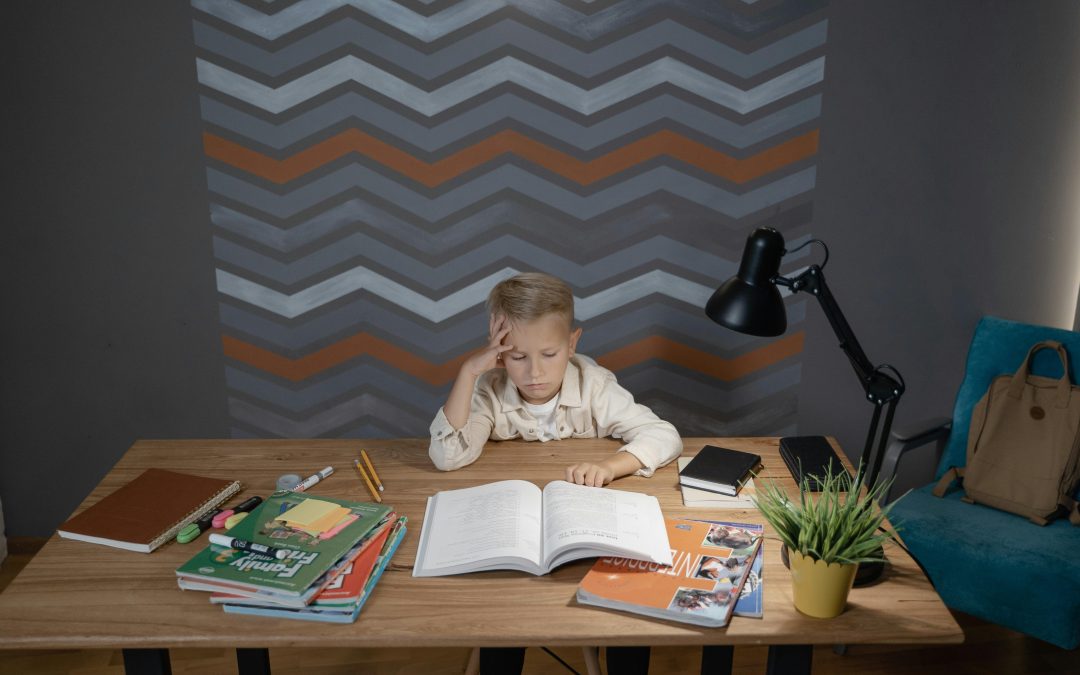
In the digital world of today where distractions are seemingly everywhere, it makes sense to worry about your child’s ability to focus. Will they perform well in school? Can they stick with activities? Will they learn to value accomplishments beyond instant gratification? Thankfully for many children, focus is a flexible skill that can improve over time, especially when that time is spent creating and exploring. It’s long been touted that piano lessons can improve attention spans, but how? Research shows that learning to pay attention takes practice– just like learning an instrument.
Practice Makes… Better
When a child has been practicing paying attention, stretching their ability to focus little by little, it becomes easier to focus on things that may not be inherently interesting to them. They learn to pay attention during school, chores, and even other activities they may enjoy but just can’t seem to stick with. While learning piano, students are engaged across multiple senses so that little stretch of time spent focused is easier to maintain. They’re visually learning and reading notes, coordinating fine motor movements in their hands, and honing their rhythm skills through internal perception. This level of focus practiced over time can train their brain to stay engaged for longer periods!
“Patience, my young padawan.”
Beyond just improving focus, music lessons also teach patience and discipline. Learning an instrument isn’t something anyone can master overnight, it takes time, practice, and perseverance. Each time a student repeats a tricky passage or finds success in correcting a mistake, they develop positive neural connections related to sustained attention and problem-solving. Over time, reward pathways become associated with these skills. Then, those pathways can transfer to other areas like language learning and time processing, helping children to not only stay focused, but feel motivated!
CEFO (Chief Executive Functioning Officer)
Research has consistently shown that children who take music lessons show better executive functioning. This includes improved memory, self-control, and flexible thinking (rather than strict, black-and-white thought patterns.) Piano specifically is an excellent choice because it requires both hands to work independently while the brain processes complex cues across the senses. This multitasking strengthens cognitive development over time. This means later, it’s easier for children to concentrate and retain information.
If you’re looking for a way to support your child’s focus, confidence, and cognitive growth, music lessons could be the answer. Starting with the piano is a great way to build these skills while fostering a love for music. Give your child a head start! Sign up for an introductory piano lesson today and see the difference it can make.
Click HERE to learn more about starting piano lessons.
Click HERE to schedule your introductory lesson for 50% OFF!